How Cloud Faxing Software Enhances Document Security?

In the current era where data breaches are prevalent, document security is a primary concern for organizations. Cloud faxing solutions provide an answer to this by offering enhanced security features that protect sensitive information during transmission and storage. Recognizing the pivotal role these tools play in ensuring data privacy, companies are increasingly adopting them as part of their cybersecurity strategies.
The value of secure document exchange cannot be overstated, especially when handling confidential information. Cloud faxing software addresses this need by incorporating robust security measures that minimize the risk of unauthorized access and data leaks. Below, we explore the ways these solutions bolster document security and comply with regulatory standards.
How Cloud Faxing Software Protects Sensitive Information

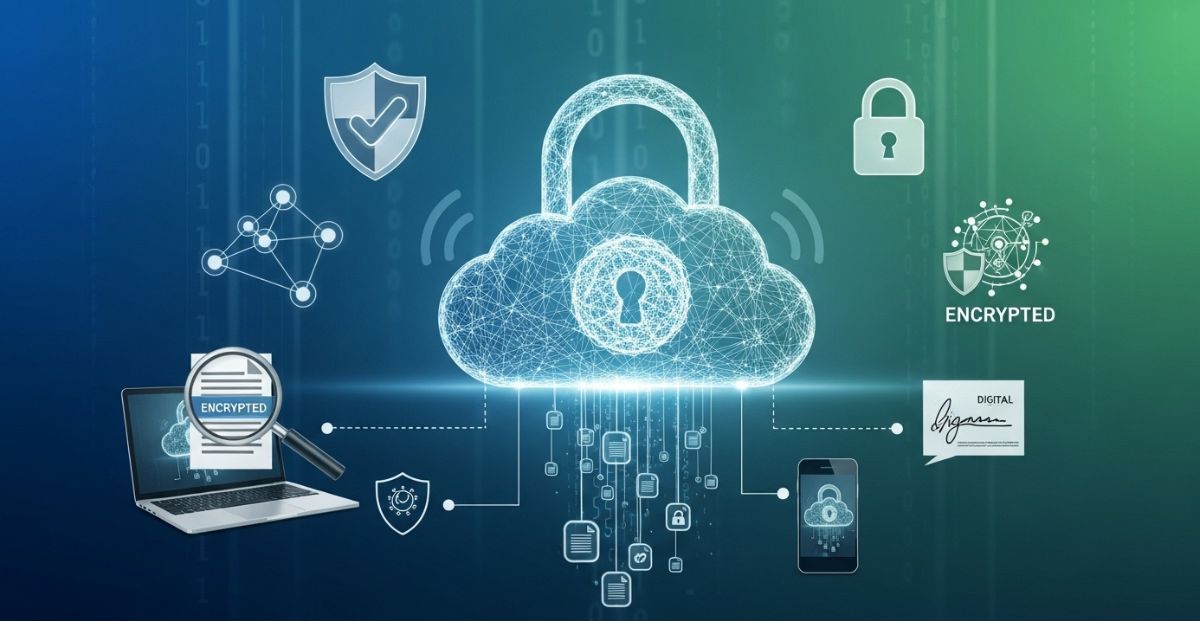
Cloud faxing software ensures sensitive information is protected through multiple layers of security. By storing documents in encrypted form, these solutions safeguard the data from being deciphered by unintended recipients. This encryption occurs both in transit and at rest, significantly reducing the likelihood of data breaches.
Moreover, modern cloud faxing services employ advanced algorithms and security protocols, such as TLS and SSL, to further fortify the protection of data during transmission. This ensures that faxes sent over the Internet are just as secure, if not more so, than those transmitted via traditional fax machines.
Organizations should cloud faxing software prioritize cloud faxing solutions that offer customizable security settings. This enables businesses to tailor the level of protection to the sensitivity of the documents they are sending, ensuring that their specific security needs are met.
Enhanced Encryption Standards in Cloud Faxing
Encryption is the cornerstone of data security in cloud faxing. Cloud-based fax services use industry-leading encryption standards such as Advanced Encryption Standard (AES) to secure documents. AES is renowned for its impenetrability and is used widely across various secure platforms.
The employment of such encryption standards ensures that even if data is intercepted during transmission, it remains unintelligible to the intruder. This is a critical advantage over traditional faxing, where the contents of a fax are far more susceptible to being intercepted and easily read.
For businesses considering a switch to cloud faxing, it’s beneficial to review the encryption techniques used by potential providers. Comparing the encryption levels and verifying they meet industry best practices can help in selecting a service that aligns with the company’s security policies.
Regulatory Compliance and Cloud Faxing Solutions
Cloud faxing solutions are designed to help organizations comply with stringent regulations such as HIPAA, GDPR, and FERPA. Compliance with these regulations is mandatory for businesses that deal with personal and sensitive data, making it a critical consideration in selecting a faxing service.
Service providers often go to great lengths to ensure their infrastructure and practices meet the requirements set out by these regulatory bodies. This may include performing regular audits, implementing strict data handling procedures, and providing detailed documentation on their compliance measures.
When assessing cloud faxing options, organizations should verify the compliance credentials of the service provider. Ensuring that the provider has a track record of adhering to relevant regulations can safeguard the organization against potential legal and financial repercussions associated with non-compliance.
Role of Access Controls and Audit Trails in Cloud Fax Security

Access controls and audit trails play a pivotal role in enhancing the security of cloud fax systems. By strictly managing who has the authority to send and receive faxes, these systems minimize the risk of internal threats and accidental disclosures.
Audit trails, meanwhile, provide a transparent record of all fax transmissions, access logs, and user activities. This is essential for identifying patterns of misuse, tracing the source of any potential security breaches, and providing evidence during investigations.
As part of their security protocol, companies should ensure that the cloud faxing solutions they choose have robust access control mechanisms and detailed audit trails. Regularly reviewing these logs can detect anomalies early and help maintain the integrity of the organization’s sensitive documents.
Ultimately, cloud faxing software plays a significant role in safeguarding documents and ensuring compliance with data security regulations. By leveraging encryption, adhering to regulatory standards, and utilizing access controls and audit trails, cloud faxing provides a secure and efficient way to manage document exchanges in a digitally connected world. The right cloud faxing service can be a valuable asset for any organization prioritizing the security of their data.